
I’ve spent more than ten years working inside and alongside an Autism Center, primarily as a Board Certified Behavior Analyst overseeing day-to-day clinical programs. My understanding of what these centers truly offer didn’t come from brochures or polished walkthroughs. It came from arriving before opening to review staffing gaps, from de-escalating moments that didn’t make it into progress notes, and from sitting with families who were trying to decide whether a center-based model would actually help their child—or simply look good on paper.
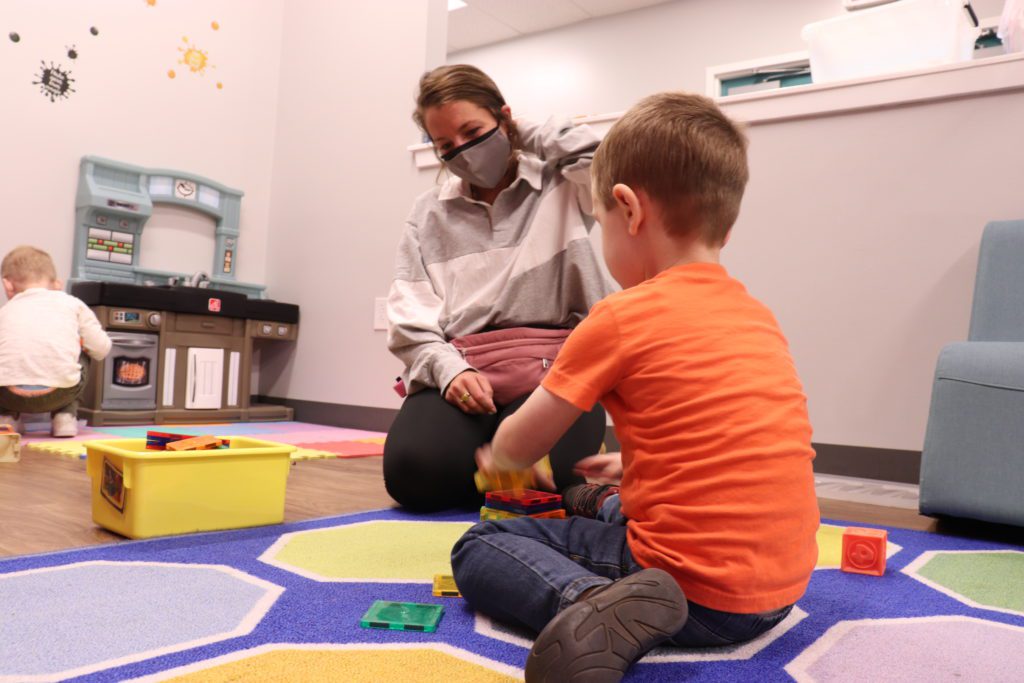 One of my earliest roles was helping open a new center space. The environment was thoughtfully designed, and expectations were high. Within weeks, we learned that a well-designed room doesn’t automatically create meaningful engagement. Several children struggled with the transition from home-based services, becoming more withdrawn rather than more social. What shifted things wasn’t changing the furniture or adding more materials; it was slowing the pace, reducing group demands, and allowing children to acclimate without pressure. That experience shaped how I evaluate Autism Centers to this day: the real work happens in how flexibility is handled, not how impressive the space appears.
Families often assume that an Autism Center guarantees consistency. In practice, consistency has to be actively protected. I’ve seen centers with strong clinical leadership struggle when staffing turnover went unaddressed. Last spring, I stepped into a situation where a child had rotated through three primary therapists in a short span. Progress stalled, and frustration grew on all sides. Re-establishing routine and repairing trust took far longer than anyone expected. A center can offer structure, but only if leadership prioritizes stability over convenience.
Another common misunderstanding is that center-based care is automatically more intensive or effective than other models. I’ve recommended Autism Center placement for children who benefit from peer exposure and predictable routines, and I’ve advised against it for others who became overwhelmed by noise, transitions, or constant social demands. The best centers I’ve worked in were honest about those limits. They adjusted schedules, modified group sizes, and sometimes acknowledged that a hybrid or home-based approach was the better fit.
I’ve also witnessed Autism Centers do things exceptionally well. I remember a teenager who had struggled for years with social avoidance. Within a thoughtfully structured center environment—one that respected his need for quiet breaks while gently encouraging interaction—he began initiating brief peer exchanges on his own terms. That progress didn’t come from forcing participation. It came from clinicians who understood when to step back and when to lean in.
The most concerning mistakes I see in Autism Centers tend to be systemic rather than individual. Programs that rely too heavily on rigid schedules, that measure success only by compliance, or that fail to involve families meaningfully often miss the point of why children are there. A center should expand a child’s world, not confine it to a set of rules that only work inside those walls.
After years in this field, my view is clear. An Autism Center can be a powerful support system when it’s run by people who value clinical judgment, flexibility, and collaboration with families. It can also fall short when appearance takes priority over responsiveness. The difference isn’t always obvious during the first tour—but it becomes clear over time, in how children are treated once the doors close and the real work begins.